The glorious countryside and buildings of today’s East Meon are the result of over two millennia of farming, until recently the sole industry in the valley. For a thousand years, this was the largest Hampshire estate of the diocese of Winchester reaching to the Sussex border and beyond: its magnificent church and bishops’ palace were the centres of religious and feudal control. Strip farming in communal fields made way to enclosed farms, oxen to horses, then machinery, natural tillage to artificial fertilisers.
We have researched the social, architectural and economic aspects of life in the Hundred of East Meon: the great houses and successful farms in contrast with the insecurity and poverty of agricultural workers; colourful figures including the legendary millionaire recluse, the Dowager Countess Peel, and the penny-pinching Victorian vicar, the Rev Thomas Cook Kemp; involvement in national events including the Black Death, the Civil War, Swing Riots and two World Wars; a portrait of life in a typical English rural community.
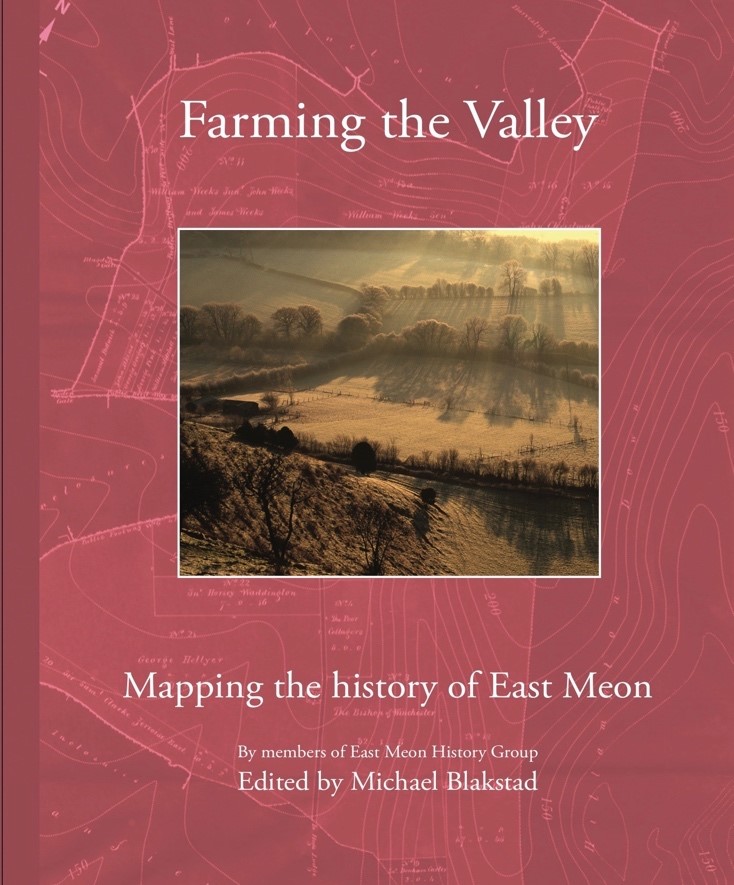
We published a book based on the results of our research on 28 November 2019. It contains lavish colour illustrations and original maps which plot the changes to life and work which underlie ‘Farming the Valley’. It can be purchased at a price of £25 from One Tree Books, Lavant Street, Petersfield, 01730 261199, or email [email protected].
The research reports on which the book is based can be found below.



No Comments
Add a comment about this page